While studying food processes active in Eastern Tennessee, one of vital cultural significance to the region is the practice of Hunting. For centuries, humans have hunted wild animals for both means of survival and sport. However, with large-scale agricultural systems, hunting has become less of a necessity and more of a leisurely activity. People in urban areas are also less likely to have experienced hunting, which led to me wanting to bring the experience to the urban landscape by combining architecture with virtual reality.
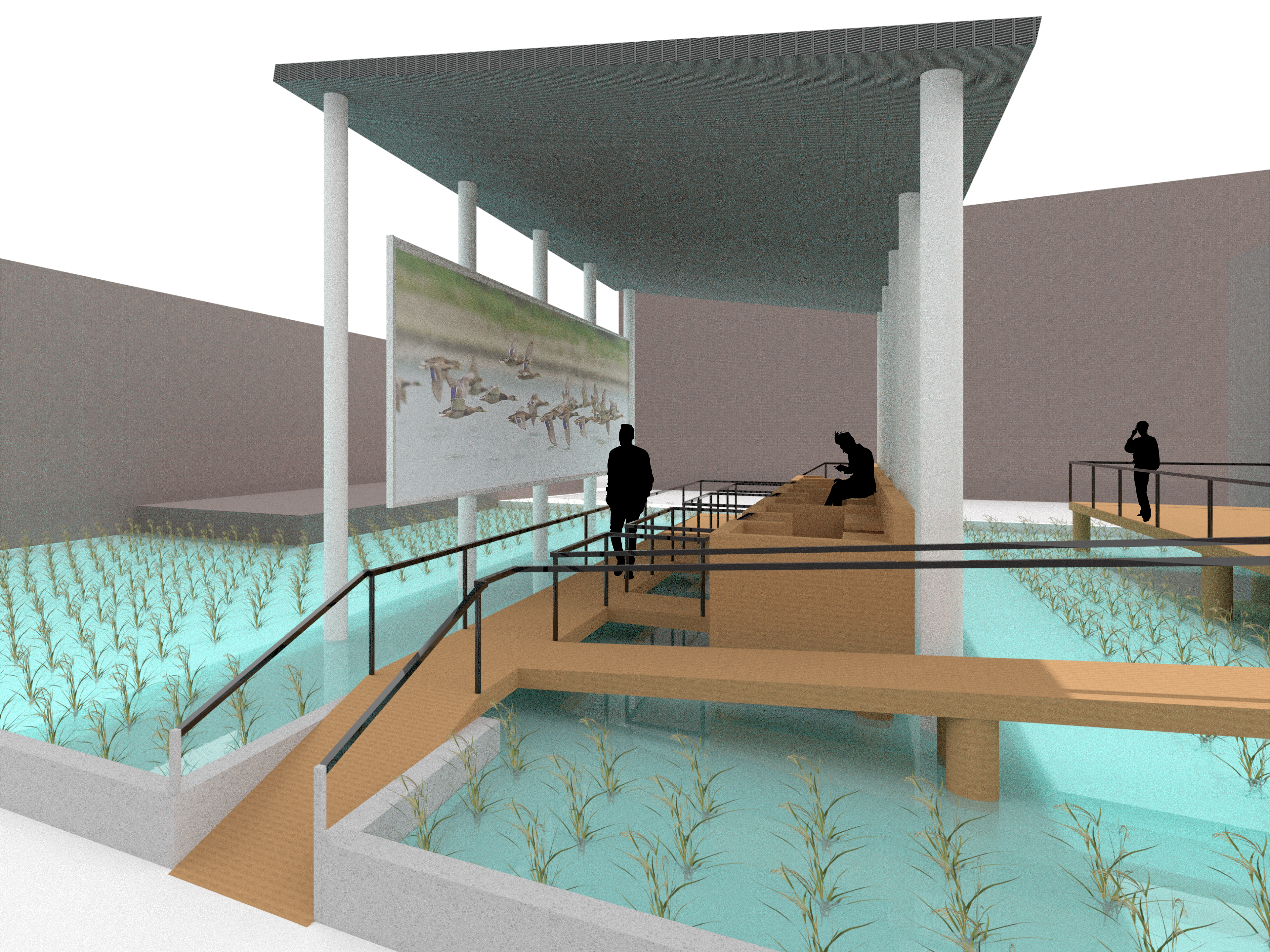
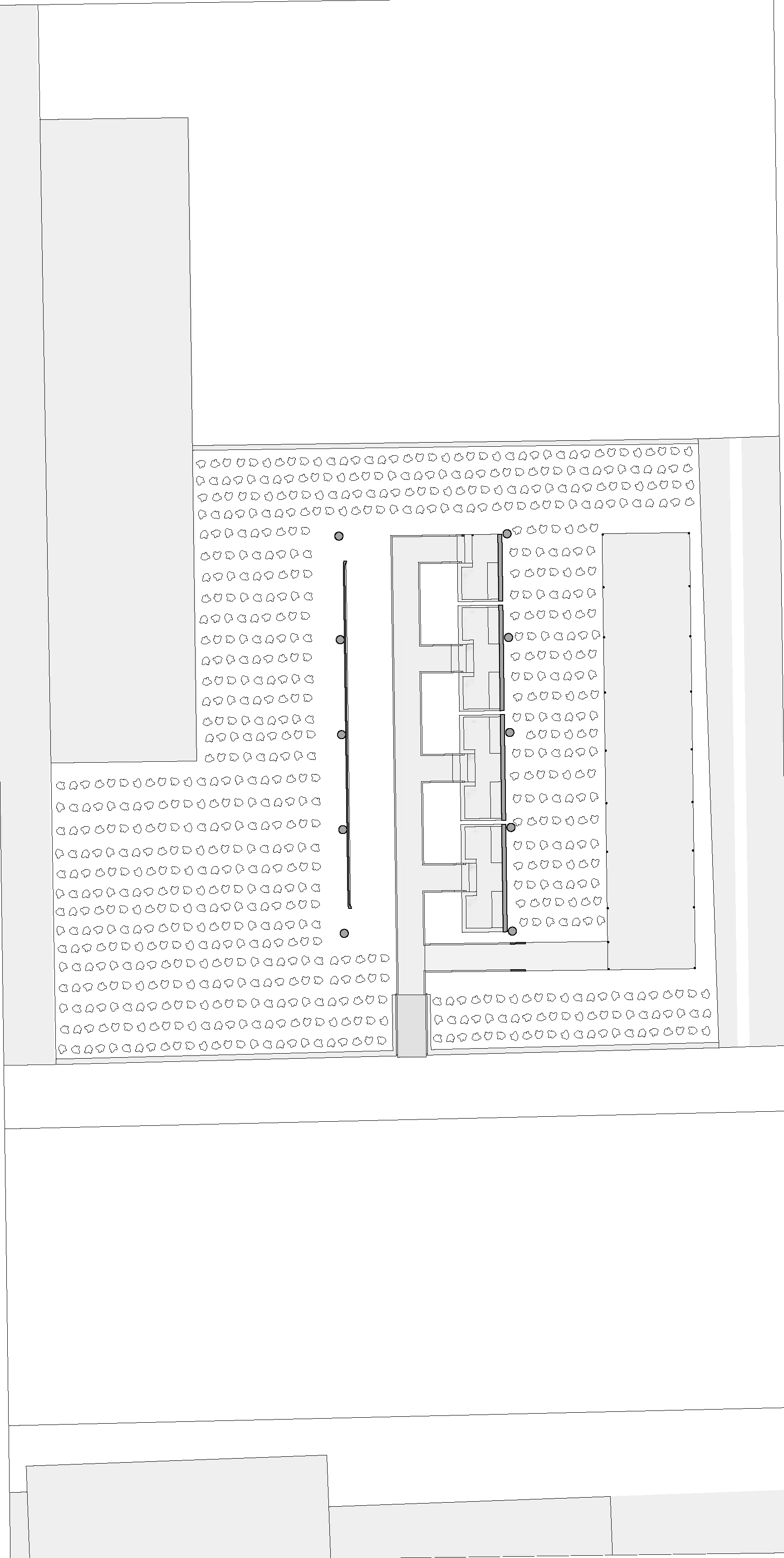
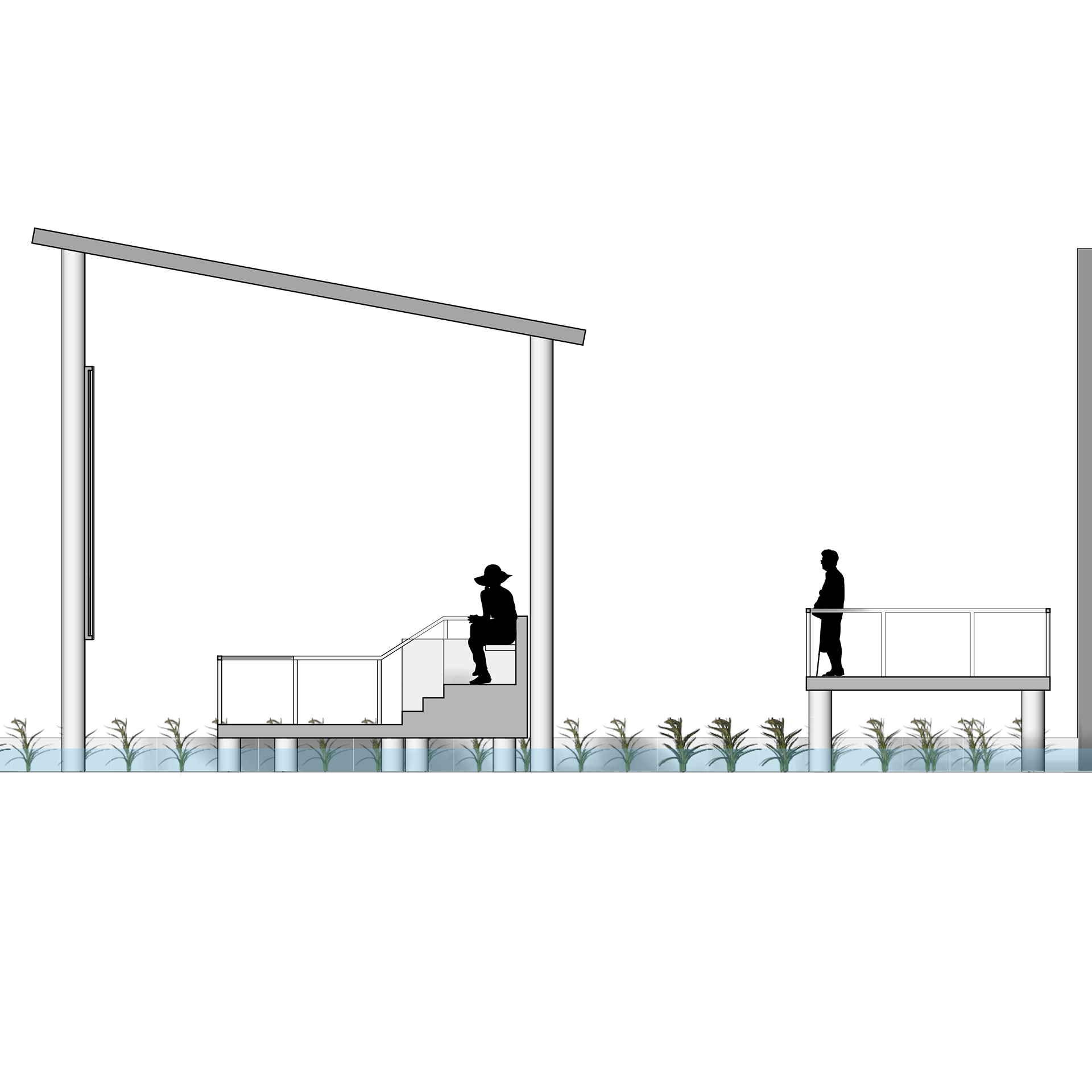
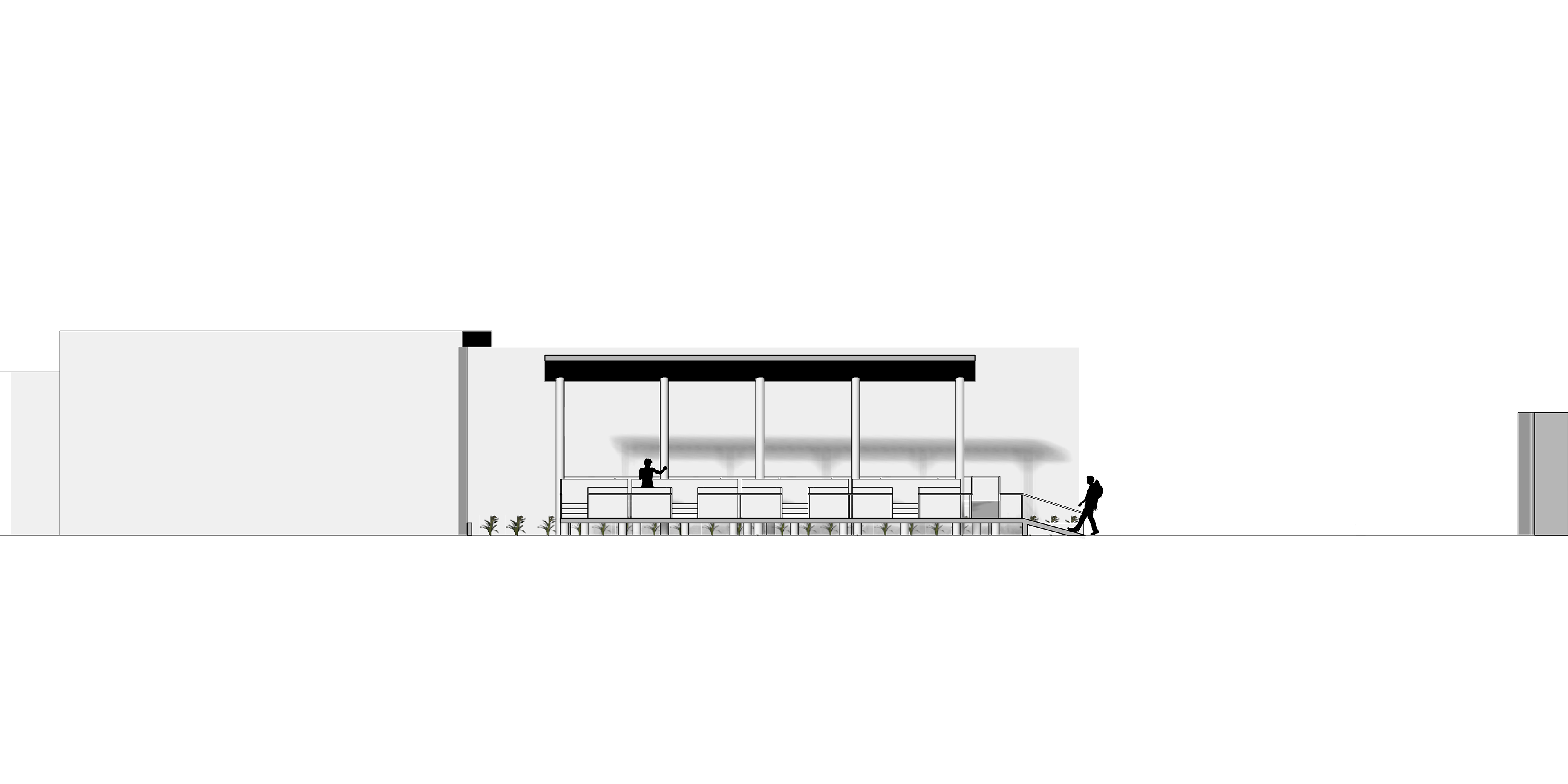
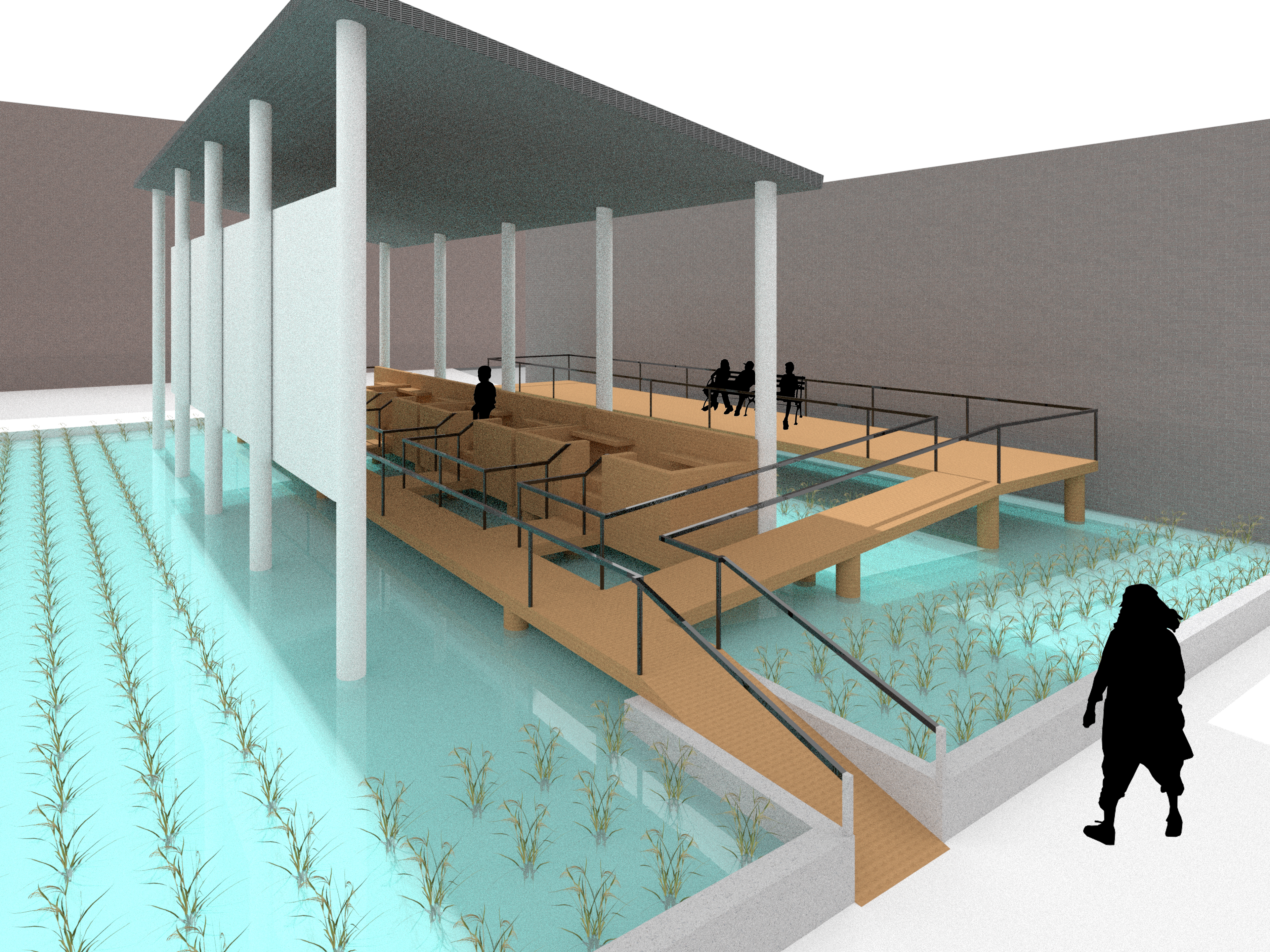
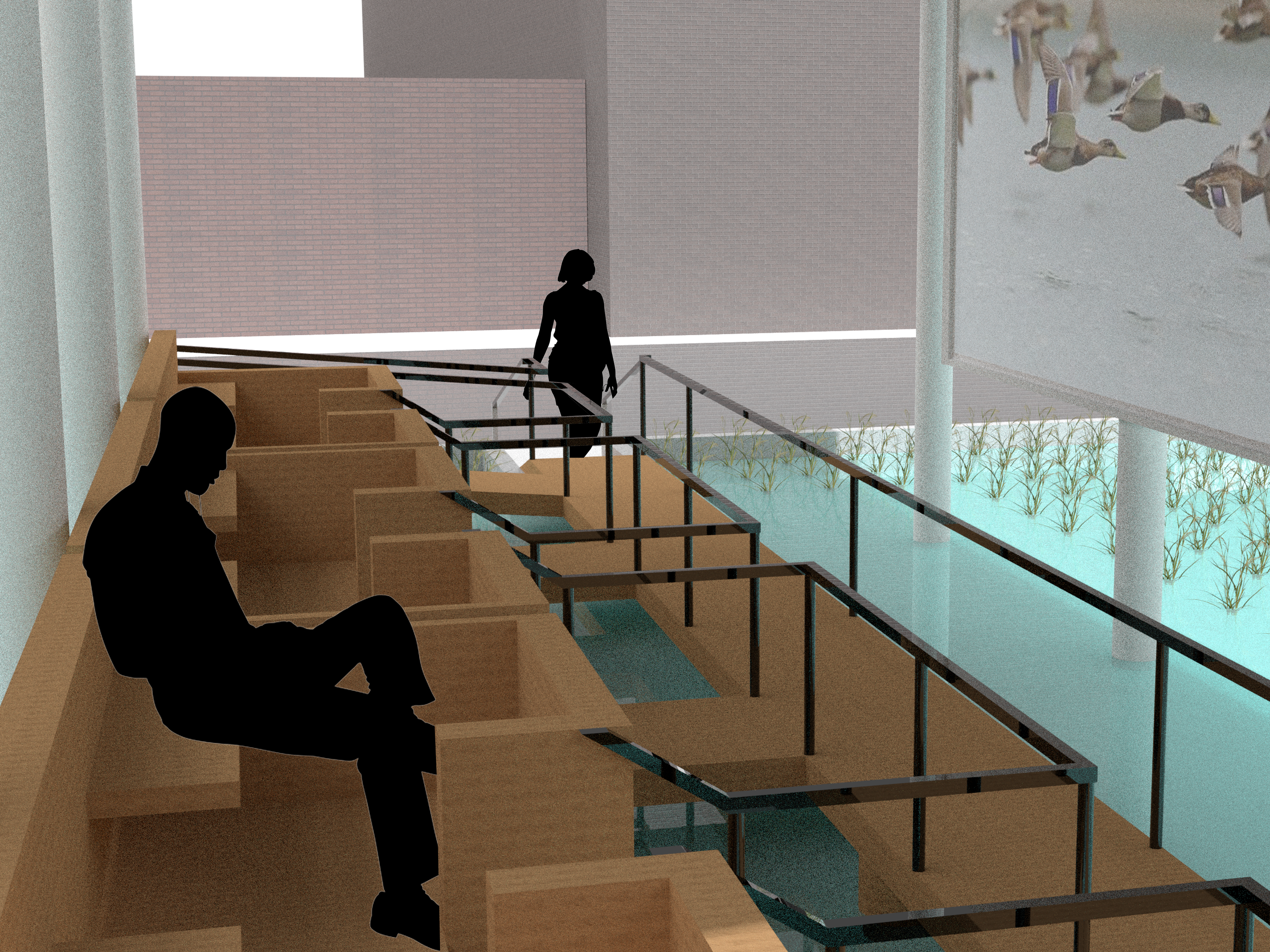
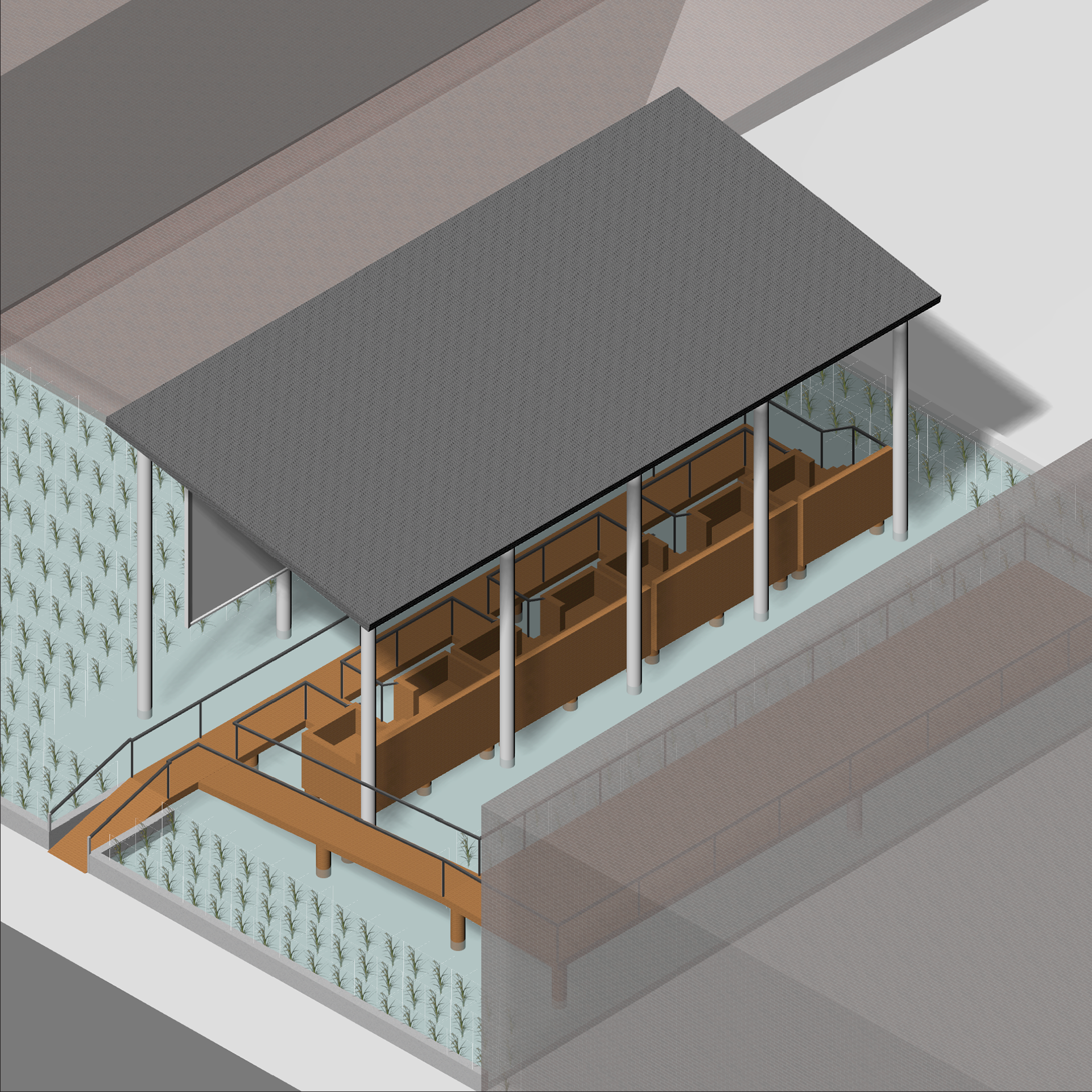
The project, located within an existing parking lot in the Old City neighborhood of Knoxville, TN, is designed to replicate a duck blind. The site is transformed into an impoundment, a temporarily flooded crop field used for the intention of attracting waterfowl during migratory months and allows for rice crops to be grown while operational. Users step into the simulated blind and are invited to participate in a simulated hunt using video game-like technology. The blind is designed with the intent of both using materiality and traditional design characteristics found in a typical duck blind. An observation deck located directly behind the simulator allows for guests waiting their turn or simply observing to experience the replicated environment simultaneously to those engaging in the simulation.
Professor: Jennifer Ackerman
Class: Design III: Territory I